



|
BoxCast Streaming BoxCast Flow BoxCast Spark Broadcaster App BoxCast Producer Third-Party Encoders |

|
BoxCast RemoteMix Compatible Mixers Mixing Station Works with BoxCast RemoteMix |

|
BoxCast OTT Apps |
|
|
BoxCast Streaming BoxCast Flow BoxCast Spark Broadcaster App BoxCast Producer Third-Party Encoders |
|
|
BoxCast RemoteMix Compatible Mixers Mixing Station Works with BoxCast RemoteMix |
|
|
BoxCast OTT Apps |
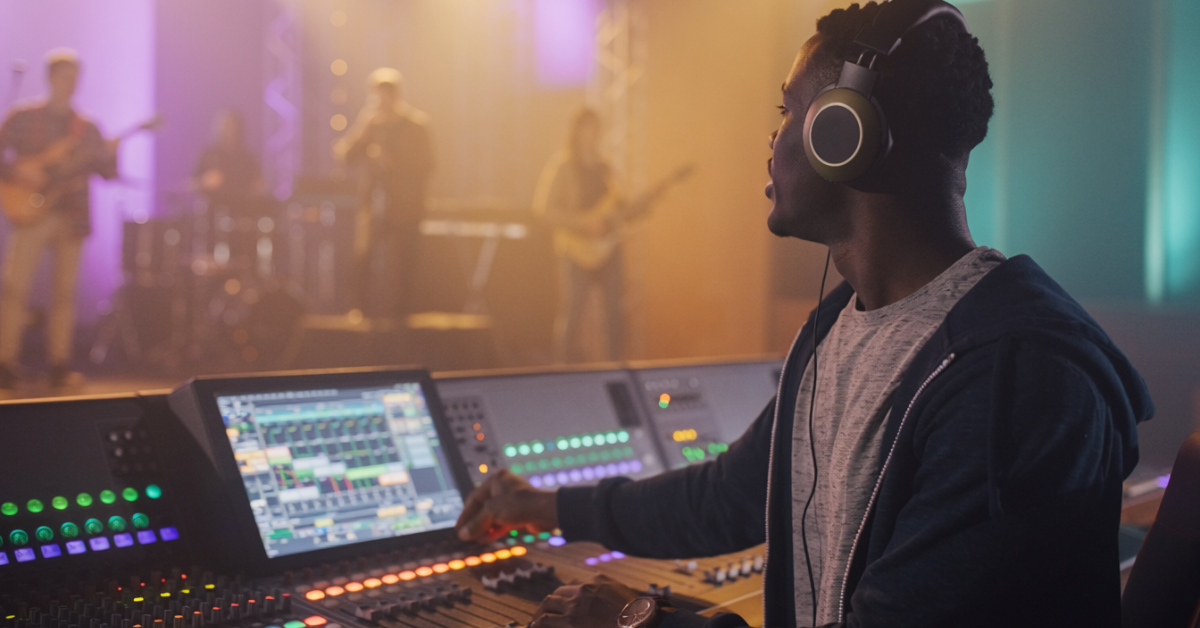
Audio engineering is a profession.
Many audio engineers develop an interest in sound production early in life, spending years learning through hands-on experience, formal education, or often both.
Beyond understanding signal flow, EQ, compression, and acoustics, though,there's also an artistic side to audio mixing, as well. Put two experienced engineers behind the same console and they'll often create two different sounding mixes, which are probably both great.
That's what makes audio production both fascinating and challenging. It takes skill, but it doesn’t stop there. It also takes art, and the balance between those two things is often vague.
With all of this in mind, it’s obvious that great audio doesn't happen by accident. It takes focus, practice, and the interest to invest in ongoing learning.
So what do churches do when they don’t have this type of pro available to help them achieve great audio week after week?
The reality is, most churches are in this situation. They don’t have the budget to bring on a professional audio engineer. Instead, they rely on volunteers who are faithful, but don’t often have formal training or mixing experience outside of the church venue itself.
Is there a realistic path for these ministries to deliver an excellent audio experience for both the congregation in the room and the audience watching online?
The truth is, you don't need a team of full time audio engineers to make meaningful improvements. What you do need is a plan for helping volunteers grow their skills over time.
This blog is intended to be practical framework that can help toward that end.
Step 1: Help Identify and Eliminate Common Audio Mistakes
Step 2: Focus on Two Different Experiences: Worship and Preaching
Step 3: Focus on Two Different Environments: In Person and Online
Step 4: Hold Periodic Bespoke Audio Upleveling
Final Thoughts
In the world of audio production, there are countless advanced topics to learn. Fortunately, volunteers don't need to master everything at once.
One of the most effective things you can do is spend time with volunteers individually. Grab coffee, sit down together, and walk through a simple one page checklist of common audio principles and mistakes to watch for.
New volunteers will often learn a tremendous amount from these conversations. More experienced volunteers may already understand the basics, which creates an opportunity to ask a different question.
"What part of audio production would you like to learn more about?"
That simple question accomplishes three things. It gives newer volunteers a chance to grow, encourages experienced volunteers, and helps you identify areas where additional training may be valuable.
As part of these conversations, focus on helping volunteers understand that mixing isn't just about moving faders. Introduce concepts like EQ, dynamics, and basic sound shaping. Once volunteers begin thinking beyond volume and start thinking about tone and clarity, they're taking an important step forward.
Remember, nobody becomes a great audio engineer overnight. The goal isn't perfection. It's steady improvement.
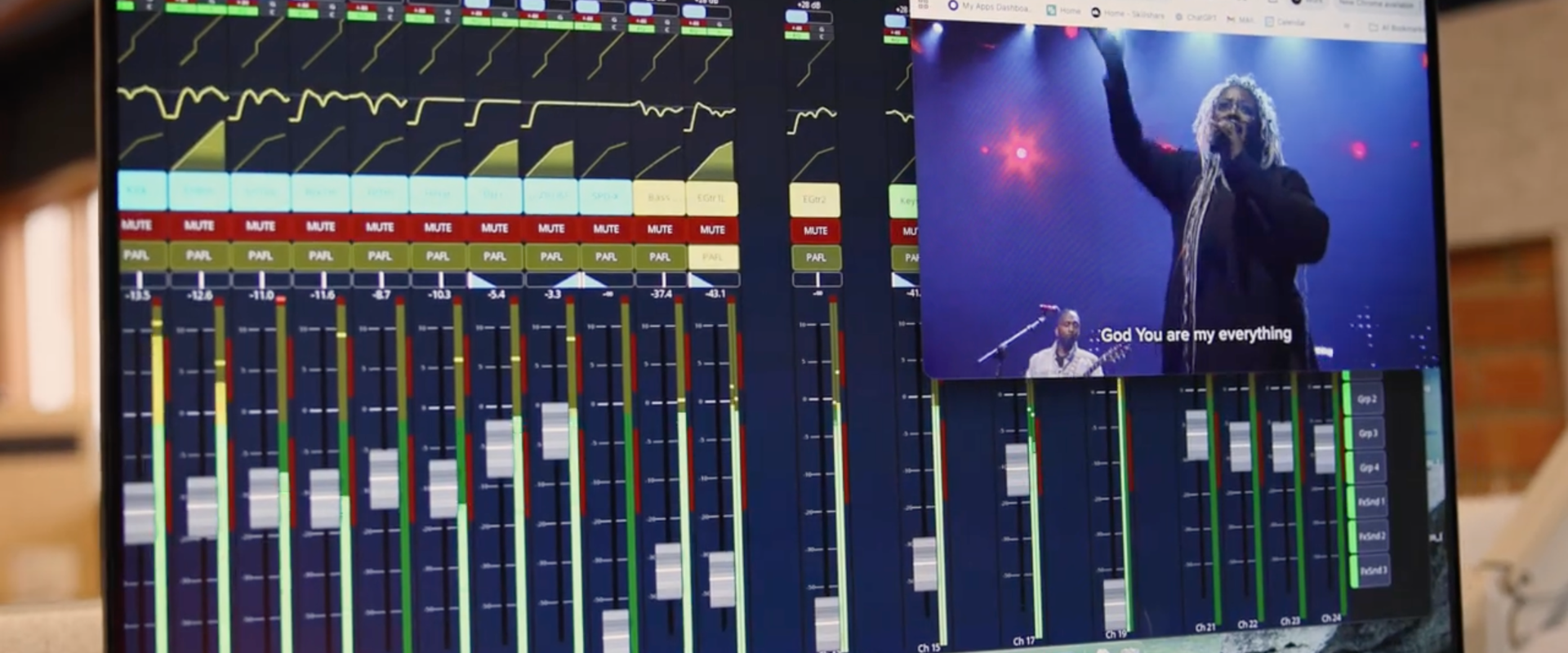
One of the easiest ways to simplify audio mixing for volunteers is to help them think about church services in two categories: spoken word and music performed.
Consider a typical Sunday morning. Someone gives announcements, another person prays, someone reads Scripture, and then the pastor preaches. Every speaker has a different voice. Some are naturally quiet. Others are energetic and project well. Great audio engineers learn to anticipate those differences before the next person even begins speaking.
Then there's worship.
For most churches, this is the more challenging part of the service. You have vocalists, drums, guitars, keyboards, bass, tracks, and other instruments that all need to blend together. You also likely have multiple singers, and don’t even get me started on mixing a large choir alongside a band! Depending on the song, the mix may need to change dramatically from one moment to the next.
Rather than overwhelming volunteers with advanced techniques, give them a few simple things to listen for.
When mixing vocals, encourage them to ask:
Can I clearly understand every word?
Is one vocalist overpowering the others?
Do the vocals sound natural?
When mixing instruments, encourage them to ask:
Is any instrument distracting from the song?
Are the instruments supporting the vocals instead of competing with them?
Does the overall mix match the energy of the song?
Training doesn't have to happen all at once. If someone mixes every other Sunday, take a few notes and give them one thing to improve before the next time they serve. Perhaps even send out a note to all volunteers saying something like, “over the next month, we’re going to focus on mixing drums.” These small coaching moments build confidence, strengthen relationships, and help volunteers improve naturally over time.
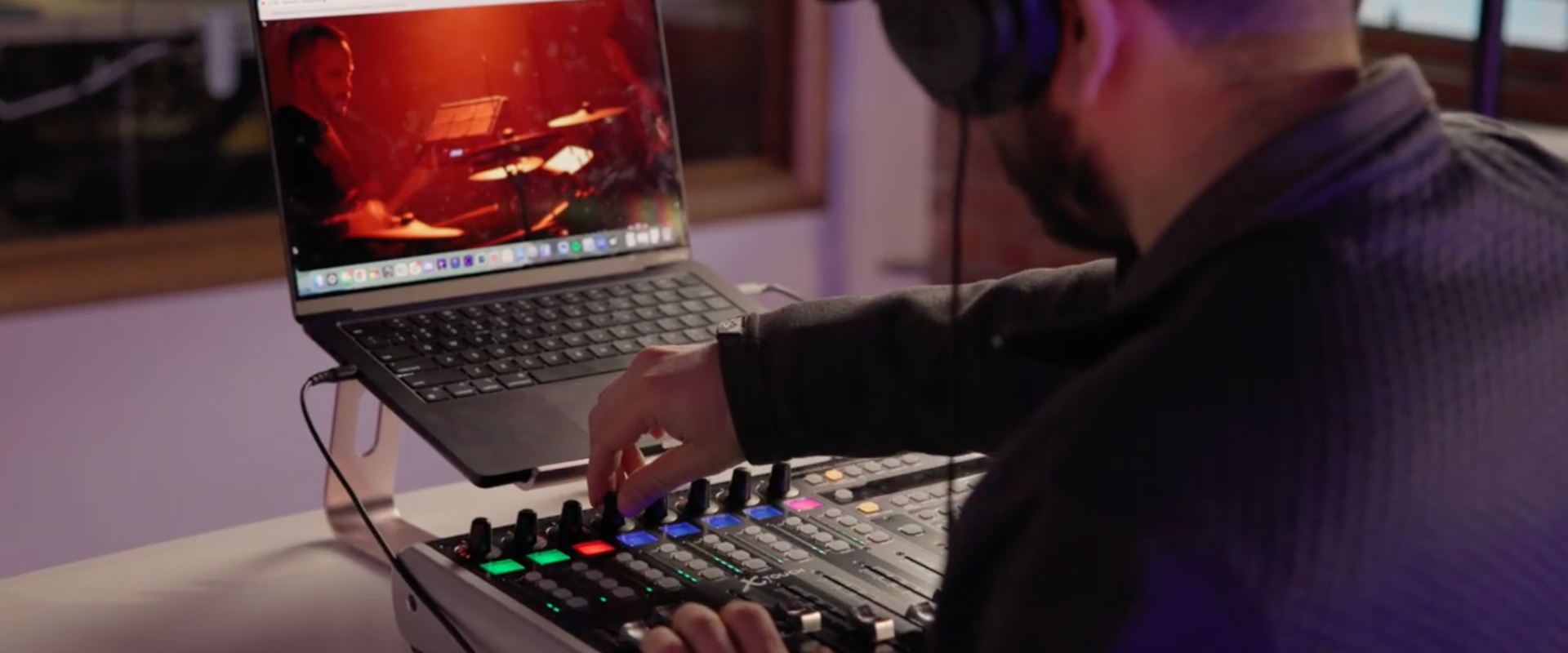
Perhaps the biggest challenge churches face today is realizing they're actually mixing for two different audiences.
The congregation sitting in the sanctuary is experiencing the room itself. They're hearing the PA system, the natural acoustics, and even the people around them singing.
Online viewers experience something completely different.
Many people watching online are home because they're sick, caring for a family member, traveling for work, or walking through a difficult season. For them, the live stream isn't simply convenient. It may be their primary connection to their church that week.
That's why both experiences deserve attention.
Trying to create one mix that perfectly serves both audiences can be difficult as a single volunteer. Instead, consider assigning different volunteers to bifurcate these responsibilities.
Allow one volunteer to focus on the in person mix from the auditorium. Then have another volunteer monitor the live stream audio from a classroom, office, or even from home using remote audio mixing software like BoxCast RemoteMix. Listening through speakers or headphones in a quiet environment makes it much easier to hear what your online audience is actually experiencing.
Giving each volunteer a single clear responsibility helps reduce stress, builds confidence, and ultimately creates a better experience for everyone.
Once volunteers begin serving regularly, don't simply hand them the keys to the mixer and assume they'll improve on their own.
We've all experienced moments when microphone feedback made everyone cover their ears or when someone was nearly impossible to understand because of poor audio. Those moments become distractions during worship.
The good news is that catastrophic mixing moments like these can usually be prevented through ongoing coaching.
If you have only a handful of volunteers, consider meeting with each person individually every few months. Buy them coffee or lunch, thank them for serving, and spend time talking through what they're doing well and one area where they can continue growing.
If your ministry has a much larger volunteer team, divide people into smaller groups based on experience. Newer volunteers have different training needs than those who have been mixing for years.
These smaller settings naturally encourage questions and conversations that don't always happen during a busy Sunday morning when there’s not really space for coaching.
Yes, this requires extra time on your part. But just remember, your volunteers are continually giving their extra time for you. It’s only right for you to return the favor.
This type of extra effort tells your volunteers that you care about them, appreciate their ministry, and are willing to invest in their growth over the long haul.
Sometimes a simple conversation over coffee does more to encourage someone than another technical training session ever could.
Wouldn't it be nice if there were an easy button that instantly turned every volunteer into a great audio engineer?
Unfortunately, there isn't.
But there is something better: consistent investment.
I've often thought parenting works the same way. The parents who worry about becoming better parents are usually the ones who care enough to keep learning and growing. They aren't perfect, but they're committed to improving, and that’s what counts.
Volunteer audio teams are no different.
When you invest in volunteers, encourage them, coach them, and help them improve one step at a time, something remarkable happens. Their confidence grows. Their skills improve. The quality of your services gets better. And the people they serve are blessed because of it.
Audio engineering can feel intimidating, especially for volunteers. Even still, these men and women faithfully show up early, serve behind the scenes, and help create an environment where people can worship without distraction and clearly hear God's Word.
They're worth the investment.
Over time, your audio ministry won't just become more skilled. It'll become healthier, more confident, and better equipped to serve your church for years to come.
Want to give your volunteers the tools to create a better live stream audio experience?
Learn how BoxCast RemoteMix allows volunteers to monitor and adjust your online mix from anywhere, helping your church deliver excellent audio for both your in person congregation and your online audience.


