



|
BoxCast Streaming BoxCast Flow BoxCast Spark Broadcaster App BoxCast Producer Third-Party Encoders |

|
BoxCast RemoteMix Compatible Mixers Mixing Station Works with BoxCast RemoteMix |

|
BoxCast OTT Apps |
|
|
BoxCast Streaming BoxCast Flow BoxCast Spark Broadcaster App BoxCast Producer Third-Party Encoders |
|
|
BoxCast RemoteMix Compatible Mixers Mixing Station Works with BoxCast RemoteMix |
|
|
BoxCast OTT Apps |
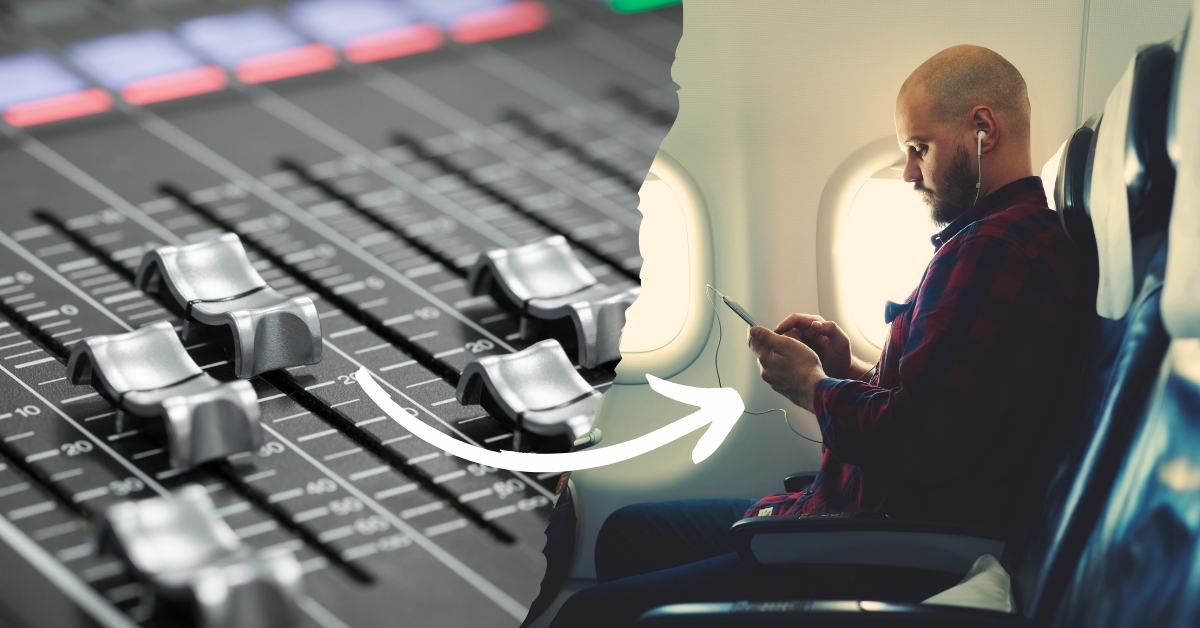
In 2016, gas in the US averaged $2.14 per gallon. A decade later, it's closer to $3.06.
If you think that's a jump, the average home price went from just over $175K in 2016 to nearly $400,000 in 2026.
And from a tech perspective, the newest iPhone in 2016 was the iPhone 7. Today, we're nine generations ahead with the iPhone 17.
A lot can change in 10 years. Costs change. Technology changes. Expectations change.
So if your church sound system was installed sometime in the mid 2010s, there's a good chance it's time to reevaluate it.
Not just because it's aging, but because the way your congregation experiences sound has fundamentally changed.
So here's a different way to think about it…
Your Church, Defined
Your Main Room + the Sound In It
Your Other Rooms + What They Sound Like
Balance, Not Tug of War
Final Thoughts
First, let's talk about what we mean when we say “church.”
The first church building didn't appear until roughly 200 years after the ascension of Jesus. The original Greek word used in the New Testament pointed to a gathering or assembly, not a building.
That's why so many New Testament letters were written to churches in cities or even churches meeting in homes.
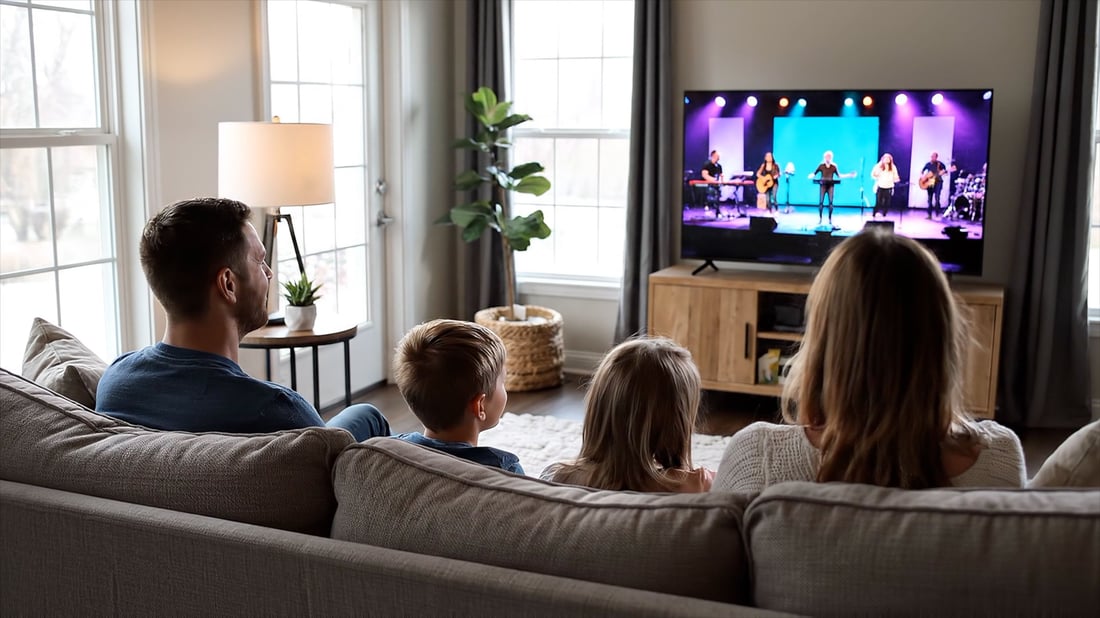
So your church isn't just a building people attend once a week, or a service they “go to.”
It's the full group of people in your community who engage with your ministry. The ones who show up every Sunday, the ones who attend occasionally, and even the ones who follow along from a distance.
And when you look at it that way, your church sound system isn't just the speakers in your sanctuary.
It’s everything your people hear from your ministry, wherever they are.
Most churches call their worship space a sanctuary, meaning, a place of refuge.
And a huge part of creating that type of environment comes down to how it sounds.
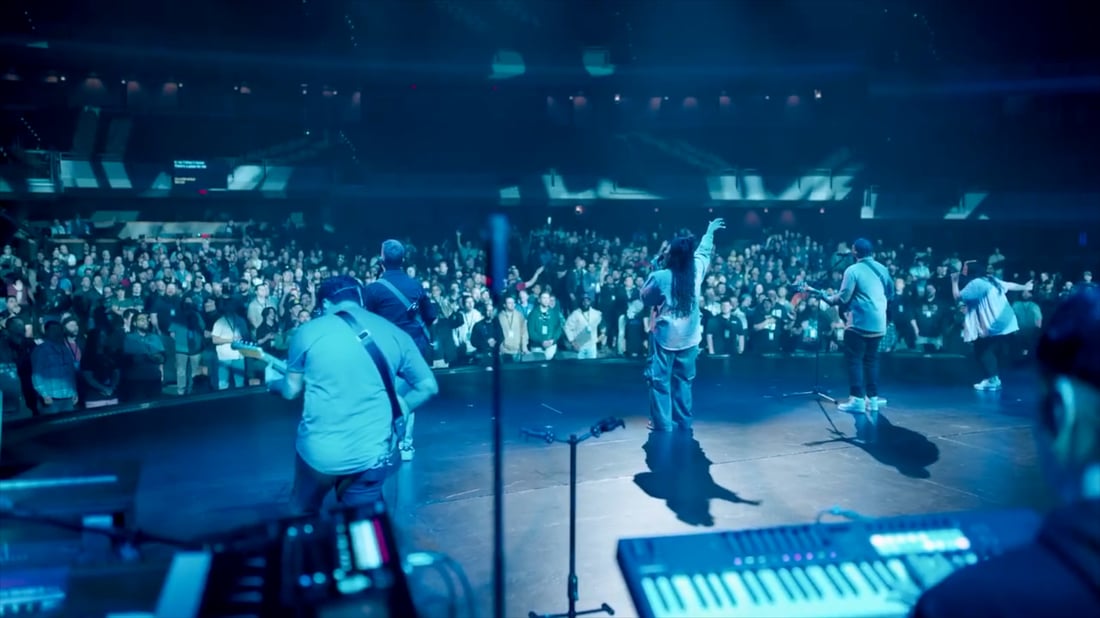
Whether your space holds a few hundred or a few thousand people, there's a significant investment behind that experience. Acoustic treatment, seating, cabling, direct boxes, monitors, IEMs, speakers, microphones, and your mixing console all work together to shape the sound in the room.
Some of that investment is upfront. Some of it is ongoing. Batteries, cables, upgrades, replacements.
And beyond the gear, there's the investment of time.
Midweek rehearsals. Sound checks. Sunday morning run throughs. Live mixing during the service. Special events that require completely different setups.
All of it adds up.
Which is why your volunteers running sound are some of the most important and often overlooked people on your team.
This is where things start to shift.
Because in 2026, your church has more “rooms” than just the ones inside your building. They’re the rooms with people watching your content on phones, laptops, tablets, earbuds, and smart TVs.
Rarely can someone attend your ministry 52 weeks a year. People travel for vacation or work. They get sick or their kids do. Weather will occasionally keep almost everyone at home. And then in a miscellaneous way, life happens.
And in all of these instances, your people open your website, your app, or social media and press play. And visually, things probably look great. You've invested in cameras, internet, and a solid video workflow.
But what do they hear?
For most churches, they hear the front of house mix. The same mix that was carefully built for a large room. The problem is, that mix doesn't translate well to a phone speaker, a pair of earbuds, or a TV in a living room.
And unlike your in room setup, this part of your church sound system often gets little to no dedicated attention.
But it still matters.
Because this is still your church. Just gathered in a different way.
And often, these are the people who need to hear your message most. Illness can wear you down emotionally, especially if they’re more serious or chronic. Traveling for work (or with kids) can be exhausting and lonely. Or perhaps they, like the author, struggle with depression and just aren’t ready to walk through the doors on a random Sunday.
The people listening aren’t just data points to report on. They’re real people with real problems, and they’re tuning in online because they’re hoping your ministry can encourage their hearts and refresh their spirits.
Right now, most churches treat audio like a tug of war. The house mix has all the weight behind it. The stream mix gets whatever's left over, if anything at all.
And the result is predictable.
If your goal is to serve your full church, both in the room and outside of it, that balance has to shift.
Not by taking away from your in room experience, but by giving your online mix its own focus. This usually means one thing. A dedicated mix.
But that creates a challenge.
One engineer can't effectively manage both at the same time. And passing control back and forth between two volunteers focusing on differing mixes at the same console isn't practical either.
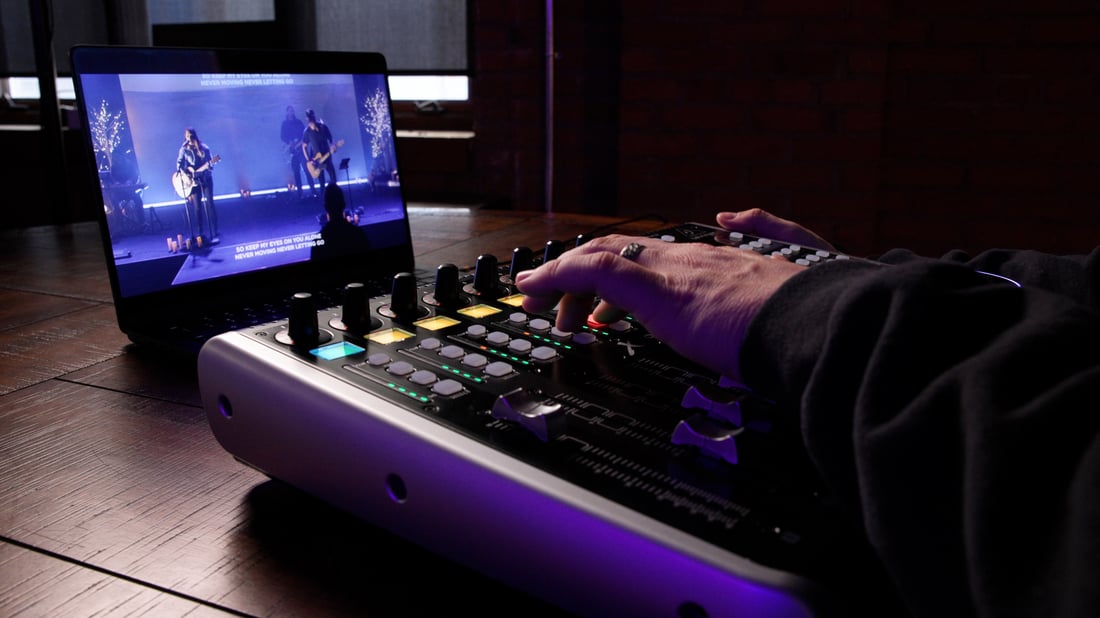
So what's the solution?
It's giving your stream mix its own space, and that’s where BoxCast RemoteMix comes in.
It lets your team control your stream mix from a browser based interface with a live audio and video feed. One volunteer can mix from another room or even remotely, focused entirely on how your service actually sounds on personal devices, because they’ll be watching and listening on one.
And for less than $10 per month, any ministry can practically dedicate someone to your online experience without adding complexity to your in room workflow. Even if they’re homebound and want to serve your church but don’t know how.
It's a small shift that makes a big difference.
At BoxCast, we spend a lot of time listening. Not just to our customers, but to their streams.
BoxCast RemoteMix came from a simple observation over a long period of time. We noticed that thousands of churches were doing an incredible job mixing for the room, but their online audio wasn't getting the same level of care.
So we built something practical and affordable that actually fits how teams operate.
If you want to learn more, check out this BoxCast RemoteMix page or talk with one of our team members through the link below.
Cheers, and happy mixing for your church both in person and online.